
Key Takeaways
- The IB PYP curriculum focuses on inquiry-based learning rather than memorisation.
- Students are encouraged to develop critical thinking, collaboration, and independent learning skills.
- Traditional primary education generally follows a subject-based approach with structured lessons and standardised assessments.
- Assessment methods in the IB PYP curriculum emphasise continuous progress instead of relying primarily on examinations.
- Families considering an IB program should understand how its teaching philosophy differs from conventional primary education.
Introduction
Choosing the right primary education pathway is an important decision for families. While traditional primary education remains a widely recognised option, many parents are also exploring the IB PYP curriculum because of its distinct teaching philosophy and student-centred approach. Both systems aim to provide children with a strong academic foundation, but they differ in teaching methods, classroom experiences, assessment strategies, and the skills they prioritise. Understanding these differences helps parents make informed decisions based on their child’s learning style and long-term educational goals.
Teaching Approach
One of the most noticeable differences lies in how lessons are delivered. Traditional primary education typically follows a teacher-led model where information is presented directly to students. Lessons often focus on completing syllabus requirements through lectures, textbooks, worksheets, and structured classroom activities. Teachers usually guide the learning process closely, ensuring that students meet predetermined academic objectives within each subject.
In contrast, the IB PYP curriculum adopts an inquiry-based approach. Rather than simply receiving information, students investigate questions, explore ideas, conduct research, and participate in discussions that encourage deeper understanding. Teachers act as facilitators, guiding children as they discover concepts through exploration and collaboration. This learning environment encourages curiosity while allowing students to connect classroom knowledge with real-world situations.
Curriculum Structure
Traditional primary education generally separates subjects into individual disciplines such as Mathematics, English, Science, and Social Studies. Each subject follows its own timetable, learning objectives, and assessments, making academic progression straightforward and structured.
The IB PYP curriculum uses a transdisciplinary framework where learning extends across multiple subject areas. Students explore broad themes that integrate literacy, mathematics, science, social studies, and the arts within meaningful contexts. Instead of treating subjects as isolated areas of study, children develop a broader understanding of how different disciplines relate to one another. This integrated approach encourages learners to apply knowledge across various situations instead of viewing each subject independently.
Student Development and Learning Skills
Another significant difference involves the broader skills each system aims to develop. Traditional primary education often prioritises academic achievement, subject mastery, and preparation for examinations or progression to higher educational levels. Students develop strong foundational knowledge through repetition, practice, and structured assessment.
The IB PYP curriculum places equal emphasis on academic learning and personal development. Students are encouraged to build communication skills, collaboration, problem-solving abilities, self-management, and reflective thinking alongside subject knowledge. Learners are expected to become active participants in their education by setting goals, evaluating their own progress, and taking responsibility for their learning. These transferable skills support both academic performance and future learning experiences.
Assessment Methods
Assessment practices also differ considerably between the two educational models. Traditional primary education frequently relies on quizzes, written tests, assignments, and examinations to measure student performance against established academic standards. These assessments provide measurable results that demonstrate subject proficiency at specific points during the school year.
Within the IB PYP curriculum, assessment is viewed as an ongoing process that supports learning throughout the academic year. Teachers gather evidence through classroom participation, projects, presentations, discussions, observations, portfolios, and self-reflection activities. Continuous assessment enables educators to identify each student’s progress while providing opportunities for improvement before formal evaluations take place. This approach encourages consistent growth rather than focusing solely on examination outcomes.
Learning Environment
The classroom environment also reflects the different educational philosophies. Traditional classrooms often follow structured routines where lesson objectives, activities, and expected outcomes are clearly defined by the teacher. This approach provides consistency and helps students develop discipline and organisational skills.
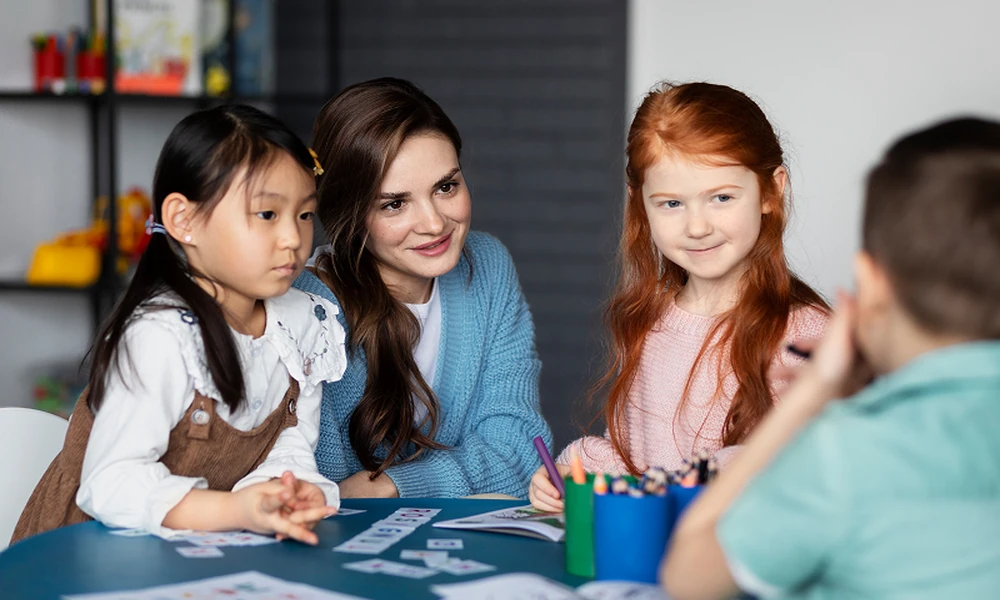
The IB PYP curriculum promotes greater student participation in shaping learning experiences. Classrooms encourage discussion, teamwork, independent research, and collaborative problem-solving. Students frequently work on projects that require investigation, creativity, and reflection, allowing them to become active contributors rather than passive recipients of information. Families considering an IB program in Singapore often value this emphasis on engagement, global awareness, and lifelong learning skills.
Conclusion
Both traditional primary education and the IB PYP curriculum provide valuable educational experiences, but they differ significantly in philosophy, teaching methods, curriculum design, and assessment practices. Traditional education offers a structured, subject-focused approach, while the IB PYP curriculum encourages inquiry, collaboration, and holistic development through integrated learning experiences. For families evaluating an IB program, understanding these differences can support a more informed decision that aligns with their child’s learning preferences and future educational aspirations.
Connect with ISS International School and discover a learning environment that encourages curiosity, collaboration, and independent thinking.