
Key Takeaways
TSA training emphasizes crucial skills like observation, critical thinking, and effective communication. This ensures that airport security professionals can evaluate situations and interact with passengers in a calm manner.
Comprehensive TSA training plays a significant role in reducing security breaches at airports, fostering trust among travelers and improving adherence to safety protocols.
Preparedness among TSA professionals also mitigates risks, as past incidents highlight the essential contribution of well-trained personnel in averting security failures.
Thorough tsa training programs focus on both theoretical knowledge and hands-on applications, incorporating practical scenarios that build readiness and confidence to tackle real-world challenges.
Continuous education for TSA agents is essential, adapting their expertise to counter evolving threats through regular refresher courses and collaboration with global security specialists.
Emerging methodologies, like virtual reality training, are making their way into TSA initiatives, enhancing learning while addressing agents’ psychological well-being, which subsequently boosts overall security effectiveness.
Technology is altering TSA training by leveraging data analytics to aid in threat detection and mobile applications for ongoing education, ensuring agents have immediate access to vital tools and information.
Opening up the Secrets of TSA Training
What Skills Set TSA Professionals Apart?
In the high-stakes realm of airport security, experts claim that the skills honed through tsa training are indispensable. Professionals must command a range of techniques, particularly in observation and critical thinking. They often find themselves needing to evaluate situations instantly, processing large volumes of data without hesitation. It’s not merely about adhering to protocols; it involves grasping human behavior, identifying suspicious activities, and responding appropriately.
Moreover, effective communication is a skill TSA agents must master. Engaging with passengers from diverse backgrounds daily, a calm and authoritative demeanor can significantly ease tension. By asking the right questions and delivering clear information, agents can greatly enhance the security screening process.
But there’s an additional layer to consider. Physical stamina is also crucial. The hours spent on their feet and the necessity to stay alert require a level of fitness that supports those pivotal decision-making moments. Vigilance isn’t just preferred; it’s expected.
How Does TSA Training Impact Airport Security?
The impact of TSA training extends well beyond airport perimeters. Research indicates that airports employing robust training programs experience a marked reduction in security breaches. There’s a psychological factor involved; well-trained staff foster confidence among air travelers. This trust translates to improved compliance with rules and procedures, crucial for overall safety.
Consider the multifaceted nature of security. Each layer fortifies the next, from initial screenings to ongoing baggage evaluations. Training encapsulates more than just initial responses; it involves adjusting to new, evolving threats. When professionals are equipped with the necessary skills, they can discern, react, and adapt accordingly.
“A well-prepared TSA workforce isn’t just about catching threats. It’s about creating an environment where safety is a shared responsibility,” says a leading security consultant.
And teamwork should not be overlooked. Precision and collaboration often provide the edge during critical situations. Well-prepared professionals enhance communication with law enforcement and emergency responders when needed, making a considerable difference during crises.
Real-Life Impacts of Quality TSA Training
Why Prepared Professionals Are Crucial to Passenger Safety
Well-prepared TSA professionals represent the frontline defense in maintaining the safety of air travelers. Each year, the challenges they confront become more complex. A competent and confident team significantly diminishes risks. Historical events, like those on September 11, 2001, starkly illustrate what can occur when security measures fail.
Training for TSA agents is progressively becoming more comprehensive and tailored to address a variety of scenarios. This thorough preparation builds resilience. It’s not solely about reacting to threats; prevention is key. Prepared agents tend to be more capable of identifying irregularities, thanks to extensive drills and real-world simulations.
Case Studies: Successful Security Outcomes Thanks to Training
Numerous case studies highlight the effectiveness of thorough TSA training. In one case, a TSA agent identified a passenger demonstrating suspicious behavior during screening. Thanks to instincts cultivated through training, the agent pursued a more detailed inquiry that ultimately revealed a concealed weapon in a backpack. Such incidents underscore the importance of vigilance.
In another notable instance, a bomb threat was successfully managed through effective teamwork among TSA agents. Established real-time communication protocols, honed through ongoing training, ensured that personnel acted decisively, alleviating panic and facilitating a smooth evacuation of passengers. These scenarios aren’t isolated; they exemplify the outcomes that arise when skilled TSA professionals engage proactively.
“Security is a partnership – one where everyone plays a role, from TSA agents to travelers themselves,” remarked a TSA training manager.
The outcomes of such actions illustrate a clear truth: the real-world impacts of high-quality TSA training can genuinely save lives, showcasing the vital correlation between effective training and critical security outcomes.
Working through the TSA Training Process
What to Expect During TSA Training Programs
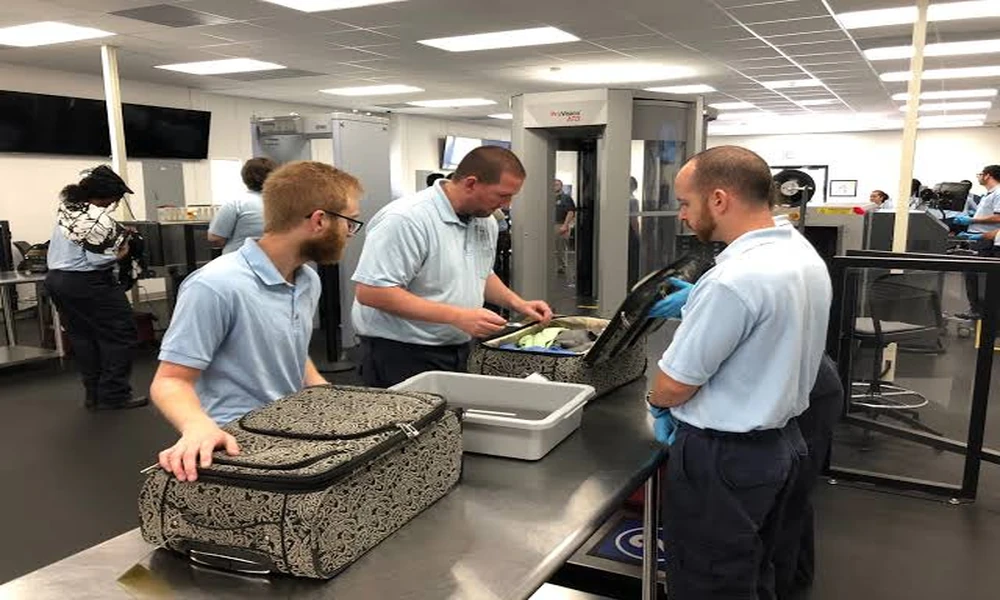
Individuals entering a TSA training program can anticipate a multifaceted approach that merges theory with practical application. The curriculum is exhaustive, covering everything from foundational concepts about airport security measures to advanced subjects in intelligence analysis. Candidates should expect to immerse themselves over weeks in learning TSA standards and the various tools at their disposal.
- Instruction on screening procedures
- Behavior detection techniques
- Emergency response training
Each session prioritizes hands-on experience. Role-playing exercises, real-life scenarios, and simulation equipment allow trainees to act as they would in real screenings. This dynamic approach, of course, bolsters their confidence and prepares them for unpredictable situations.
How Ongoing Education Enhances Security Protocols
Pursuing ongoing education isn’t merely beneficial; it’s a necessity for TSA professionals. Given the ever-evolving threats, continuous training remains crucial. Professionals frequently update their skillsets, often participating in refresher courses and specialized seminars. This persistent learning guarantees they stay at the forefront of security practices.
- Workshops on the latest technology
- Annual assessments to evaluate competency
- Collaboration with international security experts
Incorporating these educational opportunities cultivates a growth-oriented culture. It invites agents to challenge existing beliefs and adjust their approaches based on new insights. Ultimately, this ongoing refinement enhances security effectiveness – benefiting everyone entering the airport.
The Future of TSA Training Initiatives
Trends and Innovations Shaping TSA Training Today
As airports confront increasing complexities, trends in TSA training are shifting towards more innovative techniques. One significant development involves the integration of virtual reality (VR) and augmented reality (AR) to enrich training experiences. These immersive solutions create simulated environments where agents can refine their skills without the risks associated with actual scenarios.
Additionally, there’s a growing focus on mental health resources for agents. In high-stress professions like those in the TSA, emotional resilience is equally as critical as technical competency. Programs aimed at stress management and mental health not only benefit the agents but also fundamentally strengthen overall airport security.
- Increased use of AI for threat detection
- Focus on mental resilience training
- Interactive modules for ongoing education
These advancements underscore that TSA training is evolving to confront modern challenges directly. As the threat landscape shifts, the educational pathway for these professionals must also adapt.
How Technology is Revolutionizing Airport Security Training
Technology is pivotal in shaping the evolution of TSA training solutions. From leveraging data analytics to enhance screening processes to utilizing mobile applications for instant updates, this progression is striking. Technology extends beyond just improving training content; it reshapes how agents engage with passengers and manage various situations.
Analytics facilitate the tracking of behavior patterns and the anticipation of potential security threats, enabling agents to concentrate their efforts where they are most needed. Furthermore, mobile apps provide ongoing education and immediate feedback, ensuring essential knowledge is always accessible. The combination of immediate access to tools and data streamlines the responsiveness of security protocols.
In today’s tech-centric landscape, TSA training is far from static. It’s a vibrant journey where innovation and preparedness intersect, ensuring safe air travel for all.
“With the rise of technology, training isn’t just about preparation; it’s about evolution,” states a TSA technology specialist.
The landscape of TSA training continues to transform, reflecting present-day challenges and future innovations. Armed with evolving tools and detailed training frameworks, TSA professionals stand ready to confront expectations head-on. As they rise to meet these demands, they enhance airport security and bolster traveler confidence worldwide.
FAQ
What types of scenarios are included in TSA training?
TSA training encompasses a diverse array of scenarios, from recognizing suspicious behavior to managing crises. Trainees actively participate in role-playing exercises and utilize simulation equipment to mirror real-world challenges. This hands-on methodology prepares them for any situation that may unfold at security checkpoints.
How is technology integrated into TSA training programs?
Technology plays a central role in contemporary TSA training, implementing tools such as data analytics for threat detection and mobile apps for ongoing education. These advancements enhance the efficiency of training while improving agents’ responsiveness to incidents in real-time.
What mental health resources are offered to TSA professionals?
Understanding the high-stress nature of TSA roles, training initiatives increasingly prioritize mental health resources. Services include workshops on stress management and improving emotional resilience, equipping agents to maintain optimal performance under pressure, which ultimately enhances security protocols.
Are TSA training programs the same across all airports?
While TSA training programs contain core commonalities, local adjustments are made based on the specific needs and threats of individual airports. Each facility tailors parts of the curriculum to address unique challenges, ensuring a more effective training strategy suited to their environment.
What role does teamwork play in TSA training?
Teamwork is heavily emphasized throughout TSA training. Agents learn effective communication strategies and cooperation during high-pressure scenarios. This unified approach enables better coordination and faster responses in the face of potential security threats.
How often do TSA professionals receive training updates?
Continuous education is crucial for the TSA workforce. Agents typically engage in refresher courses and specialized workshops at least once a year, ensuring they stay apprised of evolving threats and updated security practices. Ongoing learning helps uphold high standards consistently.
What measures are used to evaluate the effectiveness of TSA training?
Effectiveness is gauged through a blend of practical evaluations, knowledge assessments, and real-life performance metrics. Regular evaluations help pinpoint improvement areas and ensure agents possess the skills necessary to thrive in their roles.
How can passengers contribute to airport security?
Passengers serve a vital role in strengthening airport security. They are encouraged to remain observant and report any dubious behavior or items. This collaboration between travelers and TSA personnel fosters a collective sense of responsibility, bolstering overall airport safety.
Useful Resources
- Transportation Security Administration (TSA)
- National Counterterrorism Center (NCTC)
- Federal Aviation Administration (FAA)
- ScienceDirect – Research on airport security and training methodologies
- Amazon – Educational books on aviation security and TSA training
- National Institutes of Health (NIH) – Research articles on stress management and mental health in high-pressure jobs
- Society for Human Resource Management (SHRM) – Resources on training best practices and workforce development
- International Airport Review – Insights and trends in global airport security practices
- American Psychological Association (APA) – Research on mental health resources for high-stress professions